Understanding Total Hardness Analyzers: A Comprehensive Guide
Water quality is crucial across many industries, from environmental monitoring to industrial processes. One key parameter is total hardness, a measure of the concentration of calcium and magnesium ions. Accurately determining this level is essential for preventing scale buildup, optimizing chemical treatments, and ensuring product quality. This article will explore the importance of total hardness analyzers, their different types, applications, and how to choose the right one for your needs. Proper water analysis contributes to efficiency and longevity in various applications.
What is a Total Hardness Analyzer?
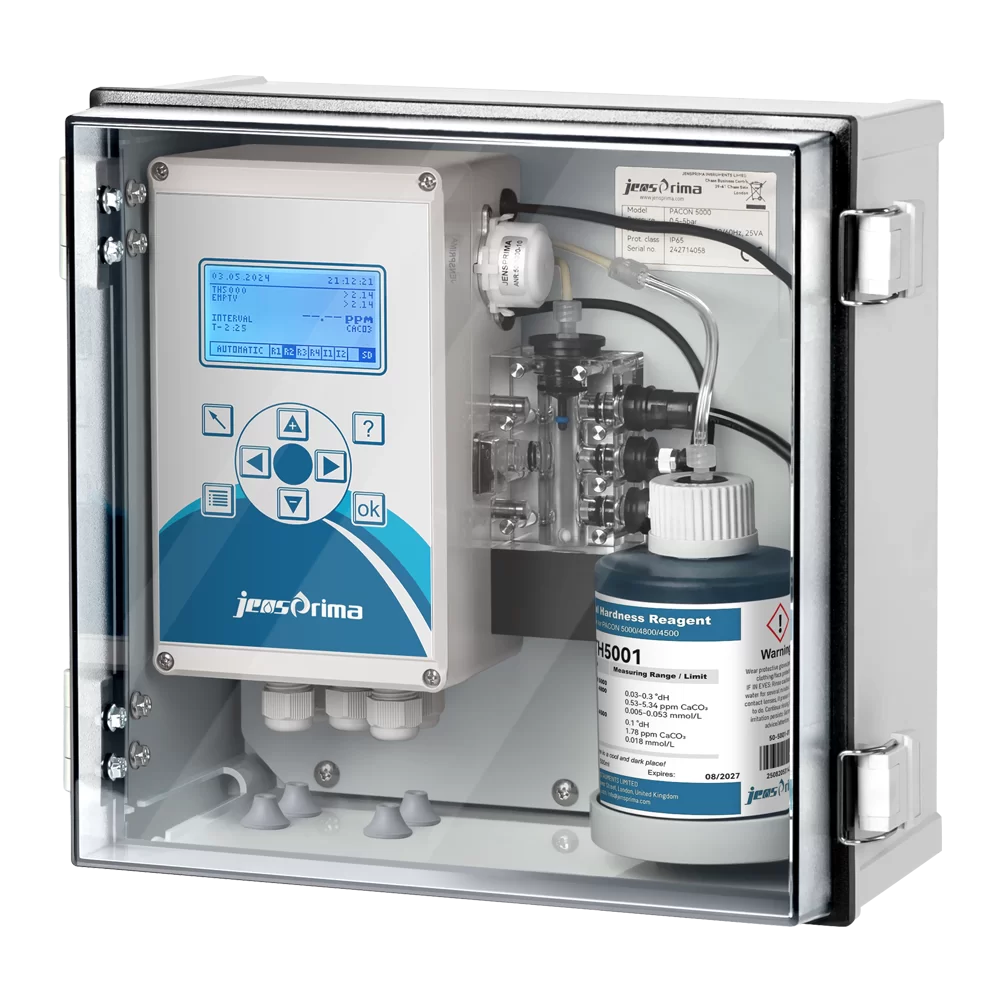
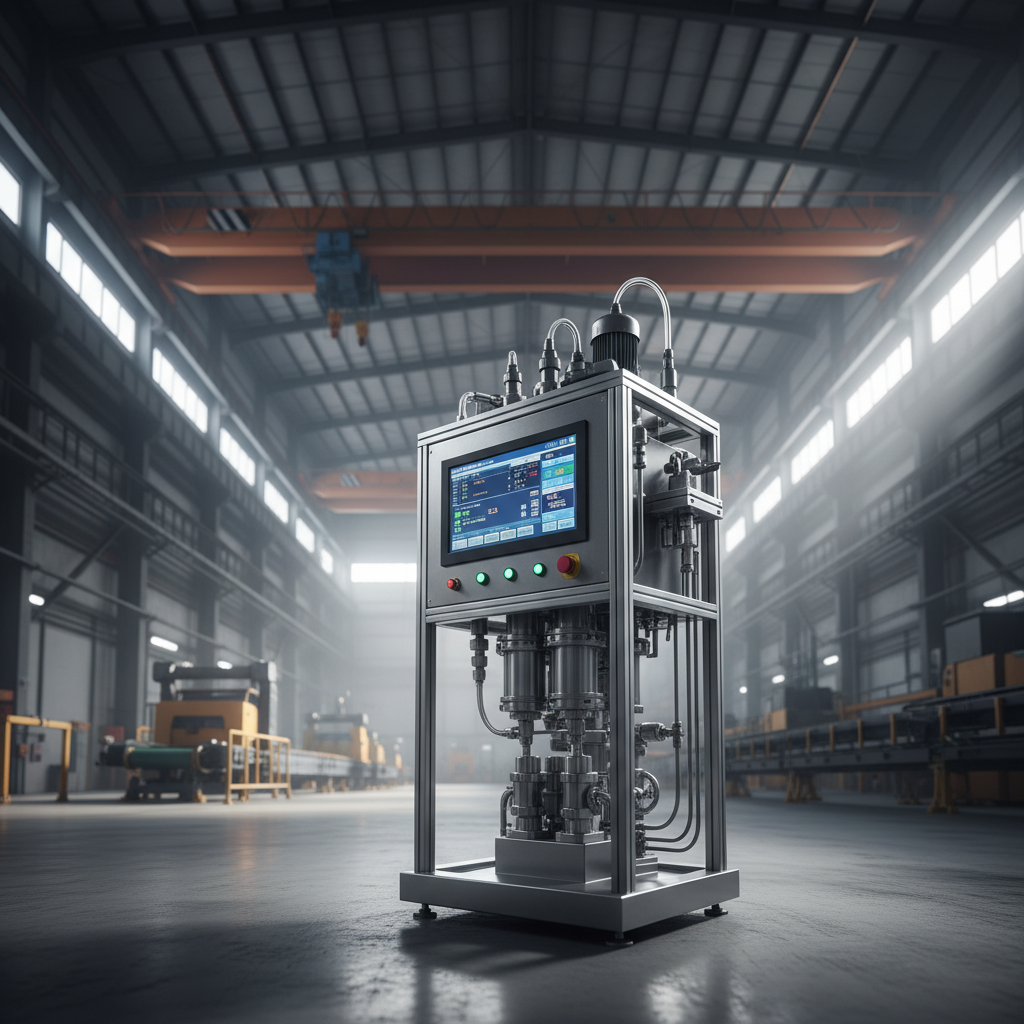
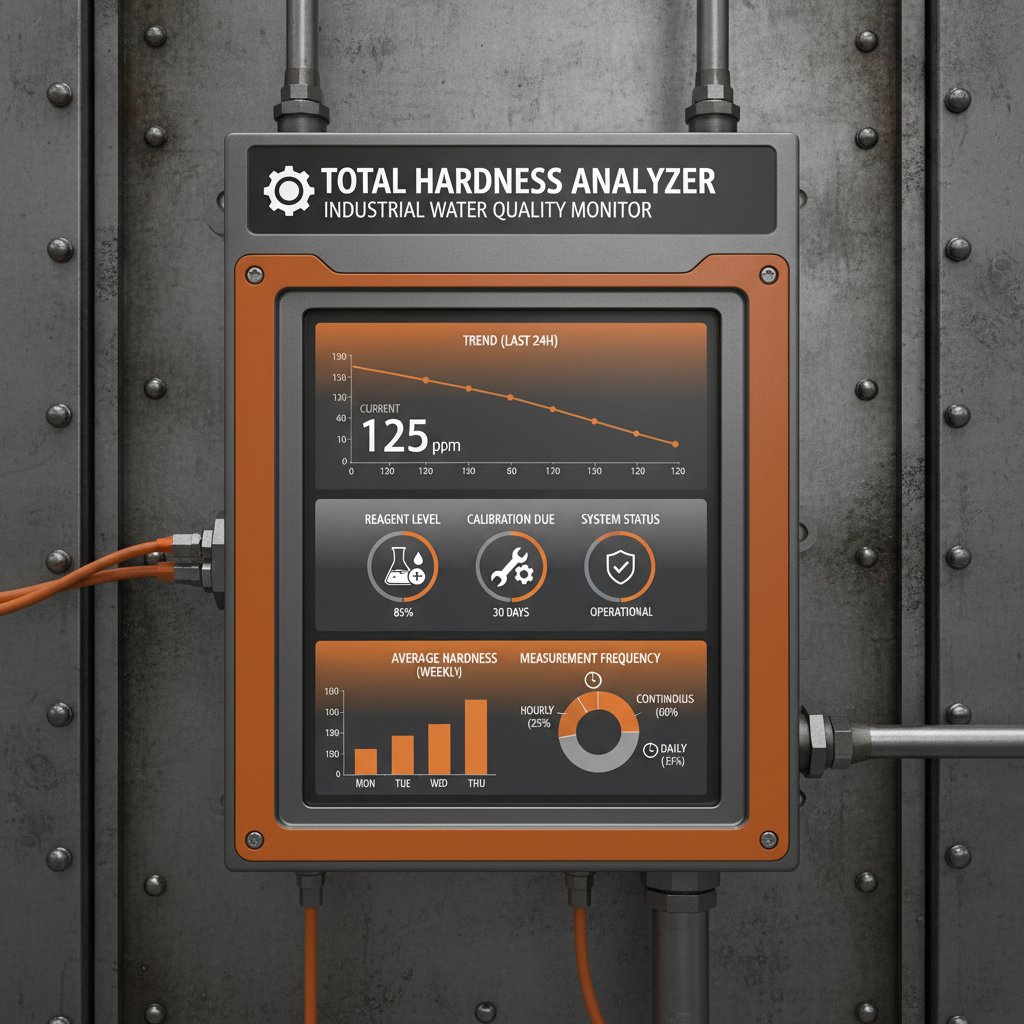
A total hardness analyzer is an instrument used to quantify the amount of calcium and magnesium present in a water sample. These ions contribute to water’s ‘hardness’ and can cause several issues if present in high concentrations. Analyzers utilize different methods, such as titration, ion-selective electrodes (ISE), or spectrophotometry, to provide accurate measurements. Understanding the principles behind these methods is key to selecting an appropriate analyzer for specific applications. Accurate measurement helps optimize treatment processes, preventing scaling and corrosion in industrial systems.
Key Benefits: Accurate measurement of calcium and magnesium ions, prevention of scaling, optimization of water treatment, and assurance of product quality.
Types of Total Hardness Analyzers
Several types of total hardness analyzers are available, each with its own advantages and disadvantages. Common types include:
- Titration-Based Analyzers: These utilize a chemical reaction to determine hardness levels. They are generally accurate but can be time-consuming.
- Ion-Selective Electrode (ISE) Analyzers: ISE analyzers offer rapid and convenient measurements, providing results quickly.
- Spectrophotometric Analyzers: These analyzers employ light absorption techniques to measure hardness, offering high accuracy and automation capabilities.
The best choice depends on factors like required accuracy, sample volume, speed of analysis, and budget.
Analyzer Type Comparison:
• Titration: Accurate, time-consuming.
• ISE: Rapid, convenient.
• Spectrophotometric: High accuracy, automated.
Applications of Total Hardness Analysis
Measuring total hardness is vital across a wide range of industries. Some key applications include:
- Boiler Water Treatment: Preventing scale buildup in boilers for efficient operation.
- Cooling Water Systems: Optimizing cooling tower performance and preventing corrosion.
- Drinking Water Quality Control: Ensuring safe and palatable drinking water.
- Industrial Wastewater Treatment: Monitoring and controlling discharge parameters.
- Food and Beverage Production: Maintaining product quality and consistency.
Accurate total hardness analysis allows for efficient resource management and cost savings.
| Industry |
Application |
| Power Generation |
Boiler water treatment, cooling water management. |
| Municipal Water Treatment |
Drinking water quality control, monitoring hardness levels. |
| Food & Beverage |
Ensuring water quality for product consistency. |
| Chemical Processing |
Optimizing chemical reaction efficiency. |
Choosing the Right Total Hardness Analyzer
Selecting the appropriate total hardness analyzer involves considering several factors. Key considerations include:
- Accuracy: Determine the required level of precision for your application.
- Sample Volume: Select an analyzer compatible with your available sample volume.
- Ease of Use: Consider the user interface and complexity of operation.
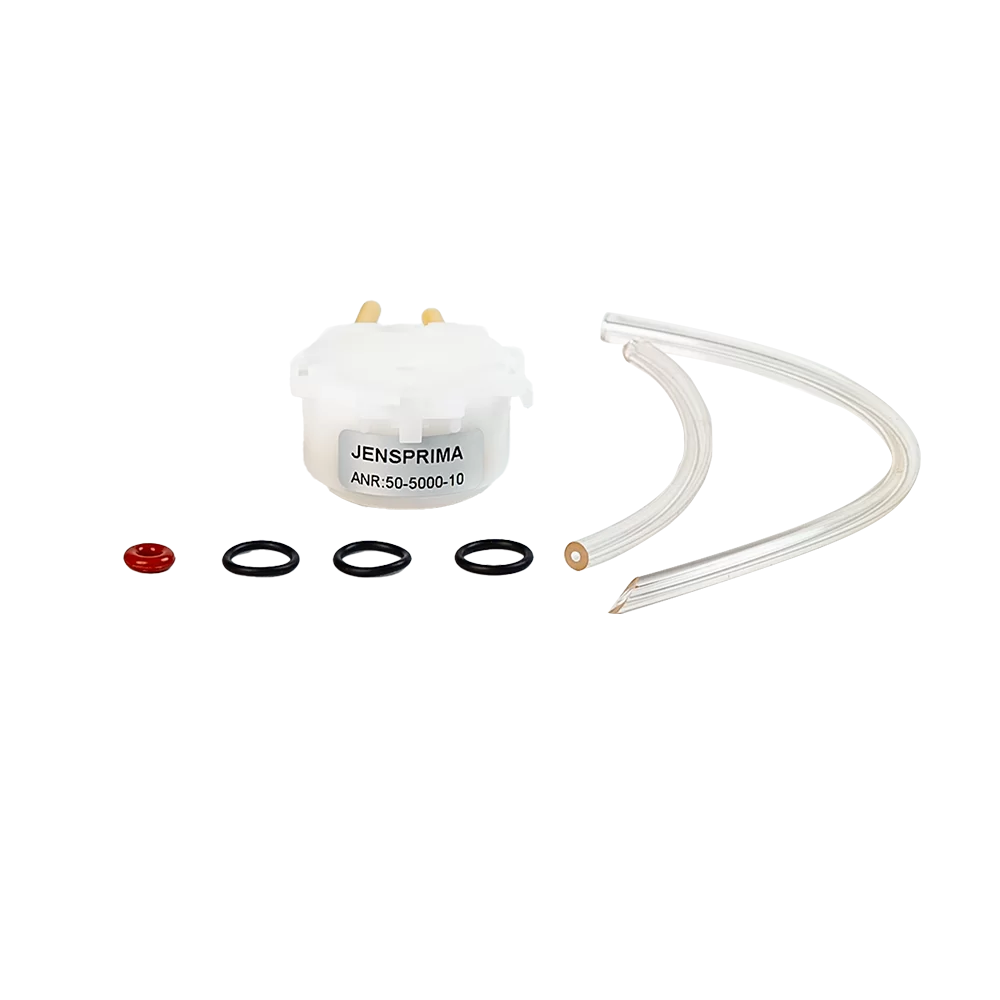
- Maintenance: Assess the maintenance requirements and availability of spare parts.
- Budget: Establish a realistic budget and compare options within that range.
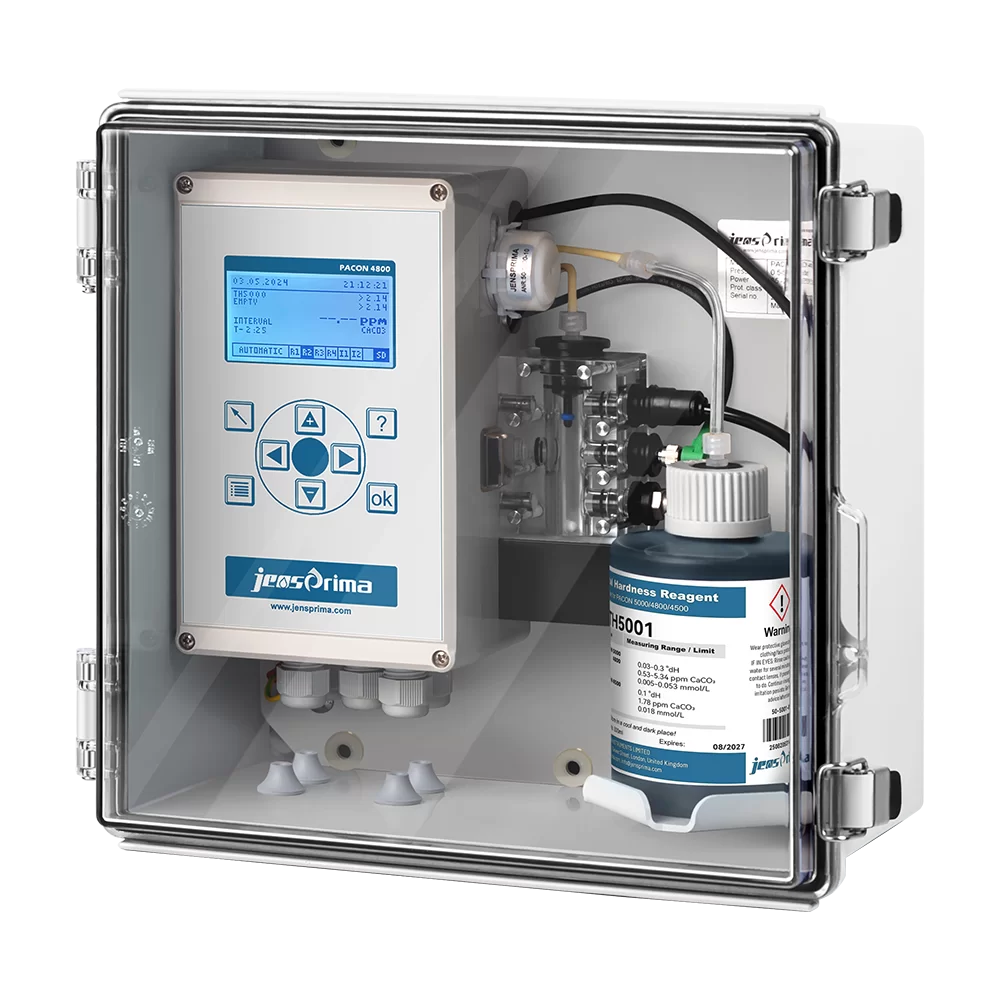
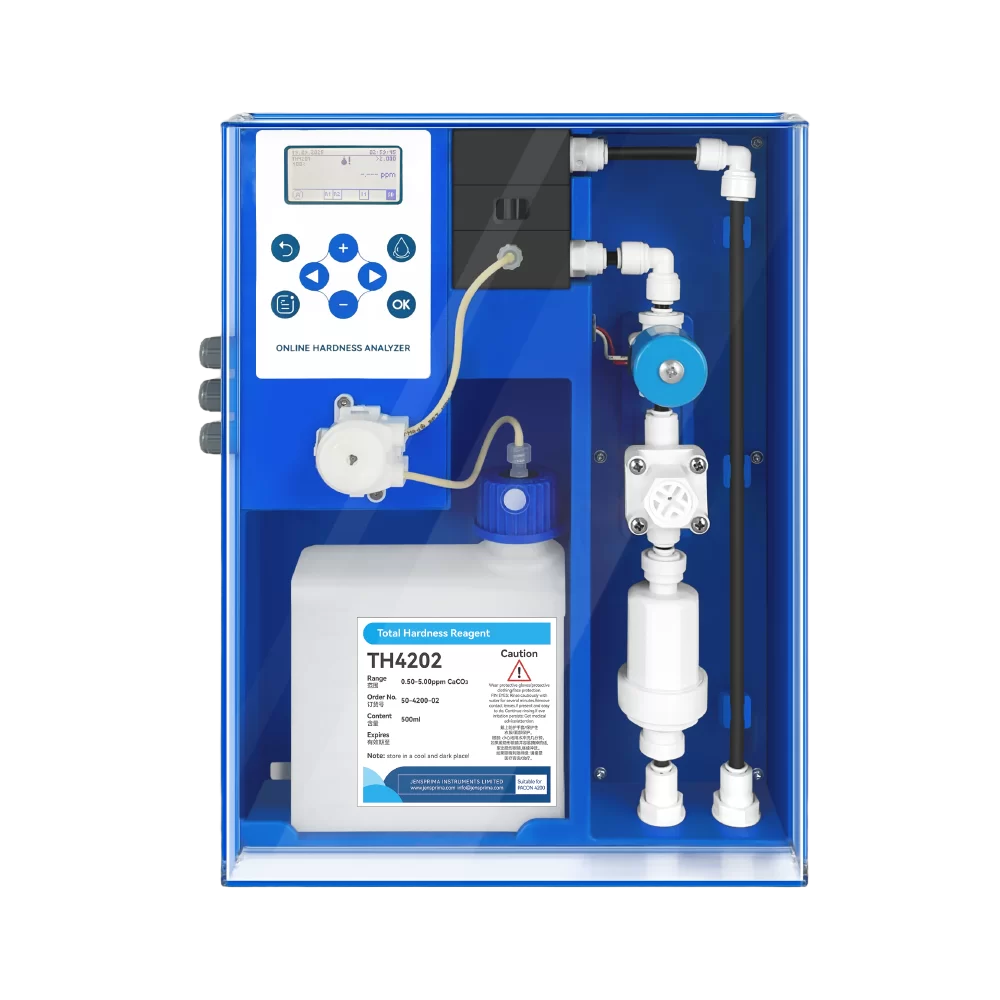
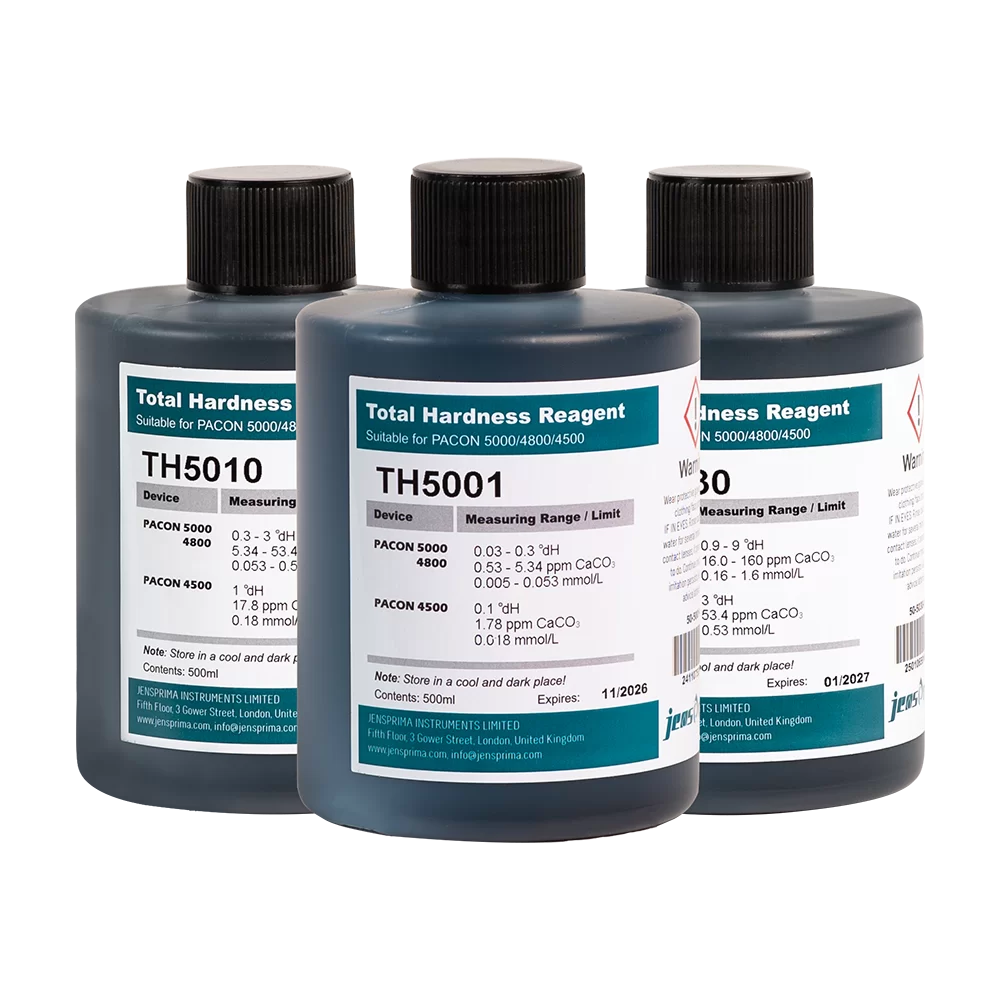
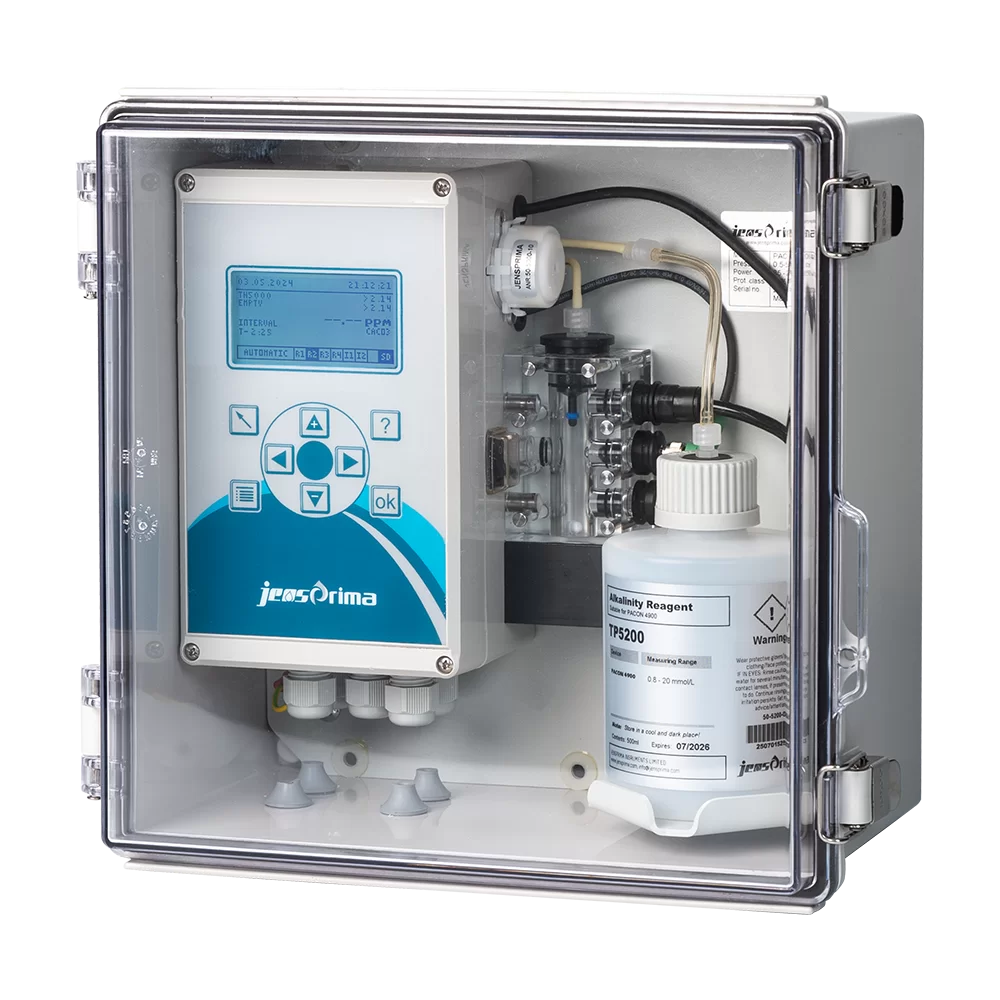
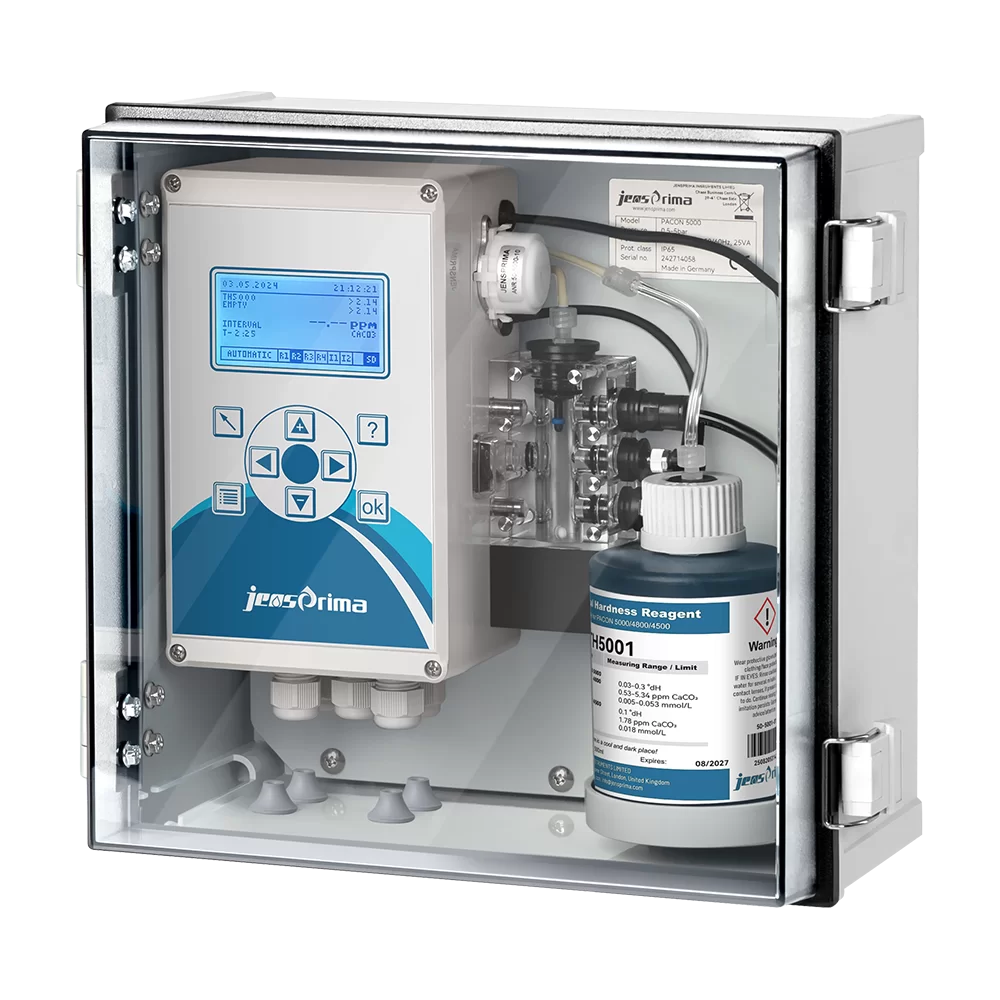
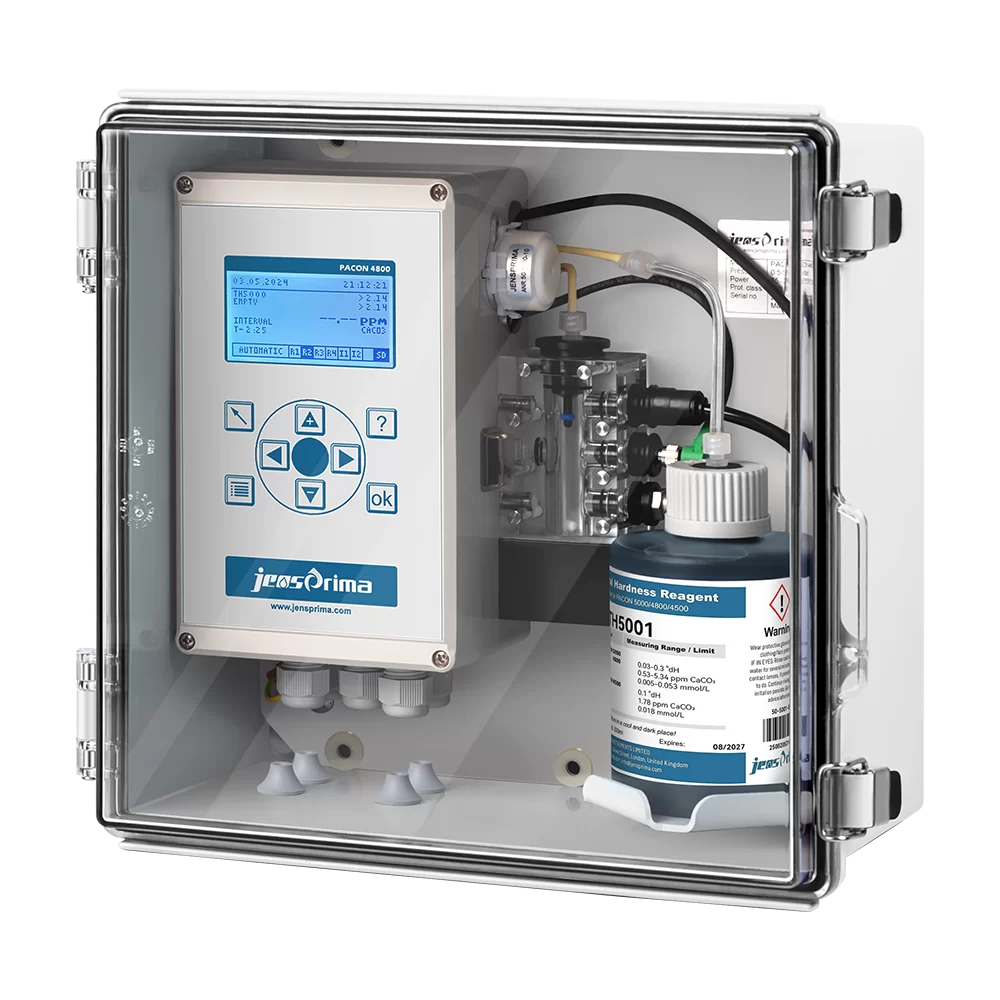
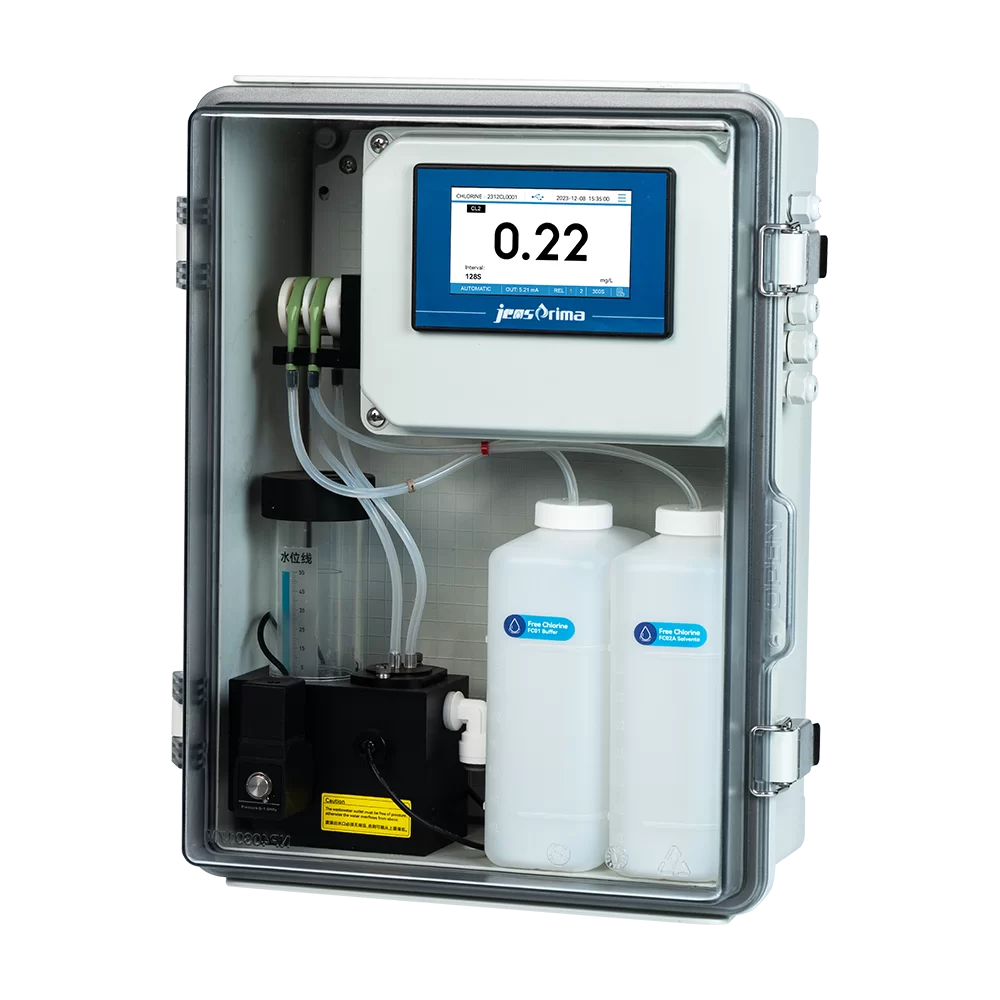
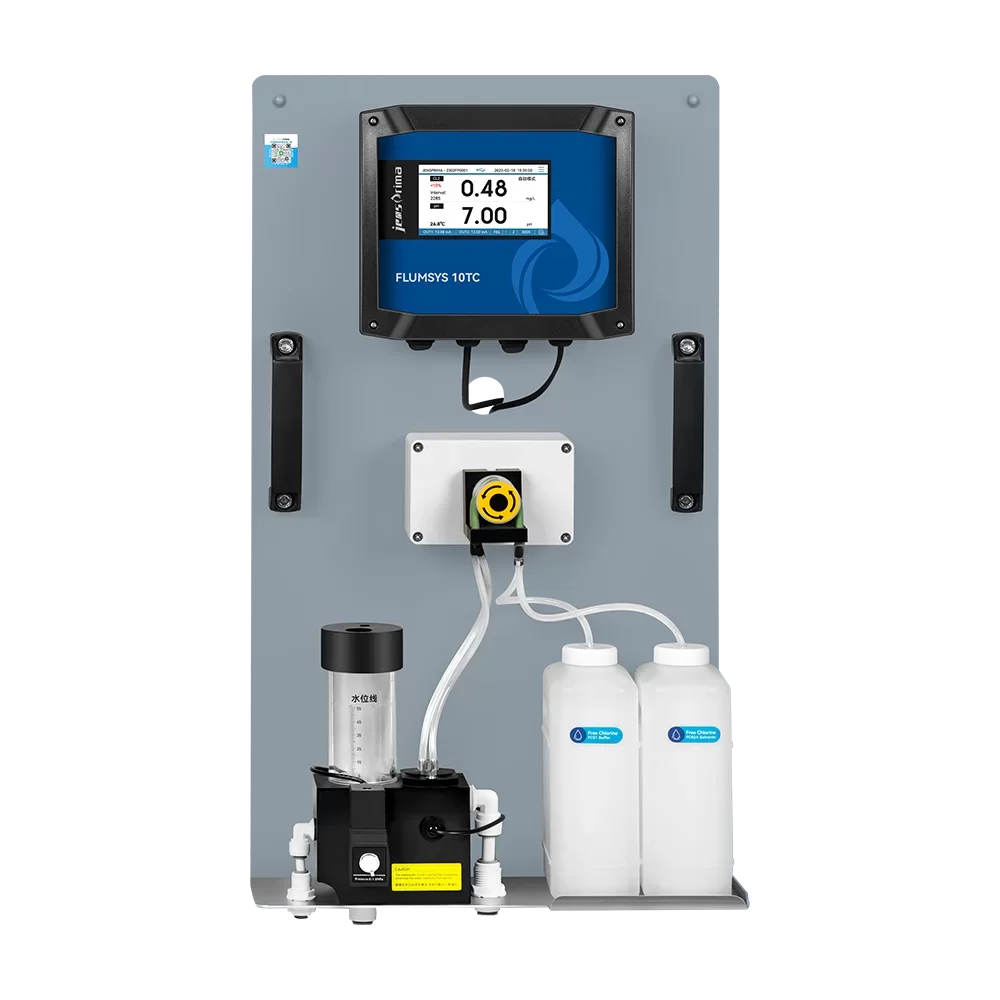
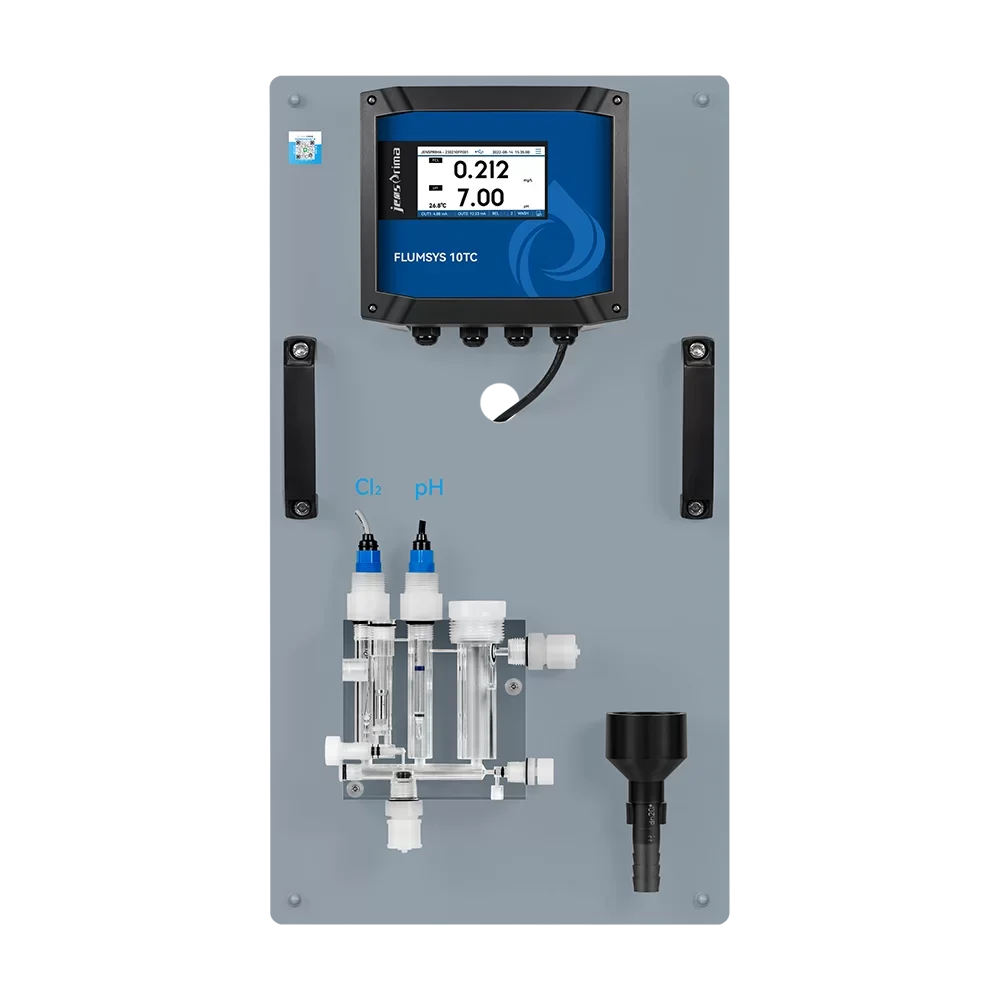
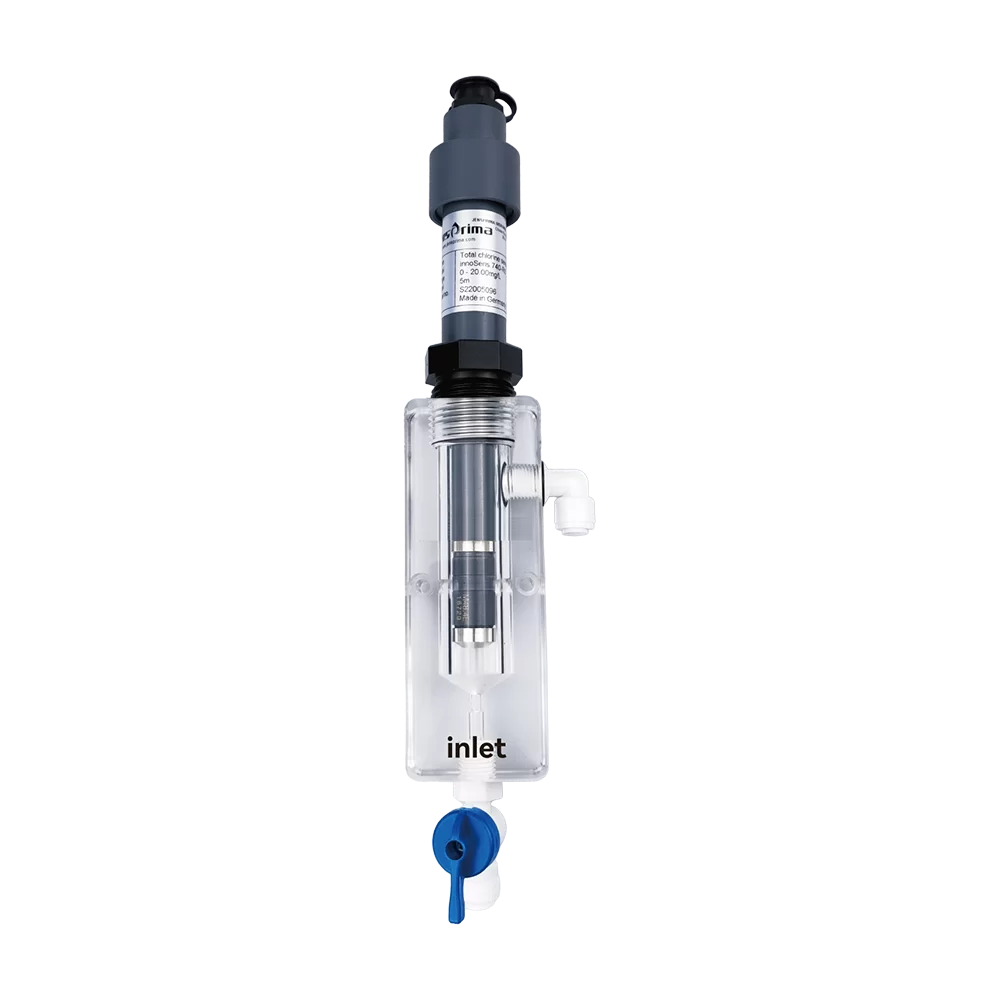
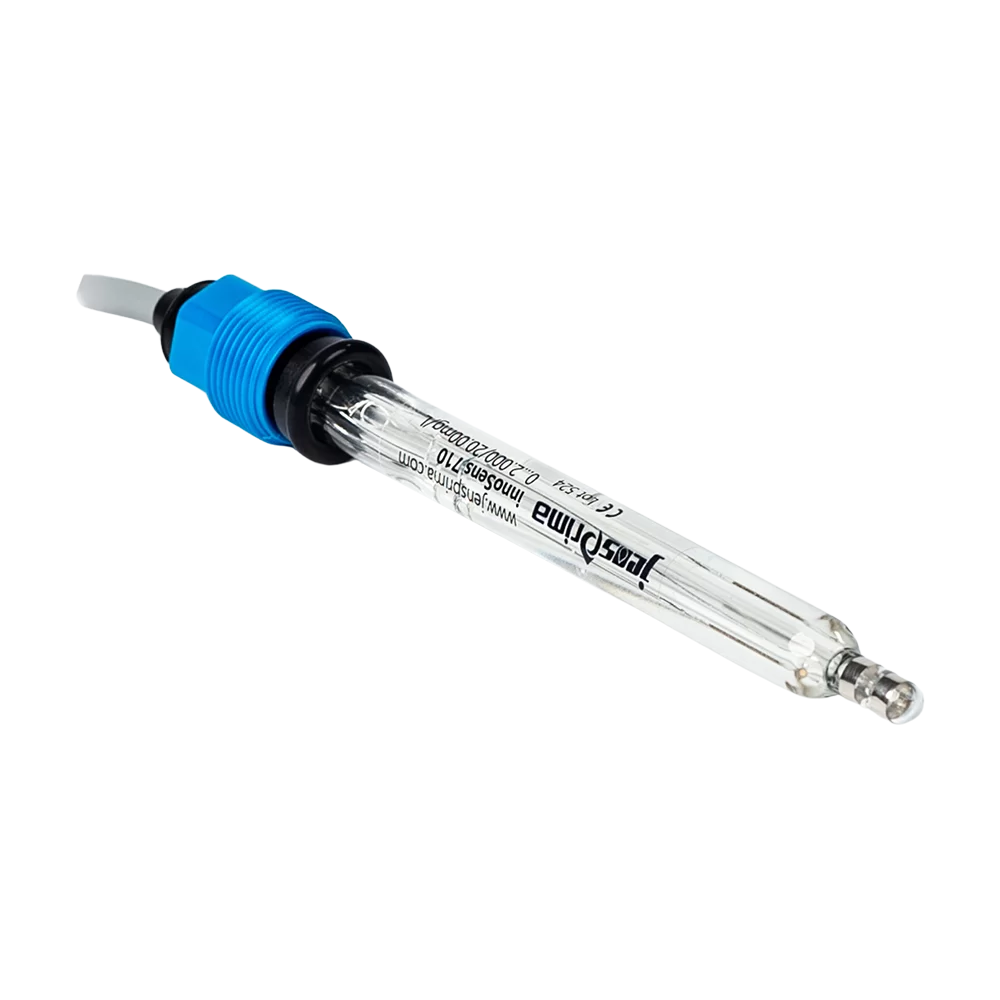
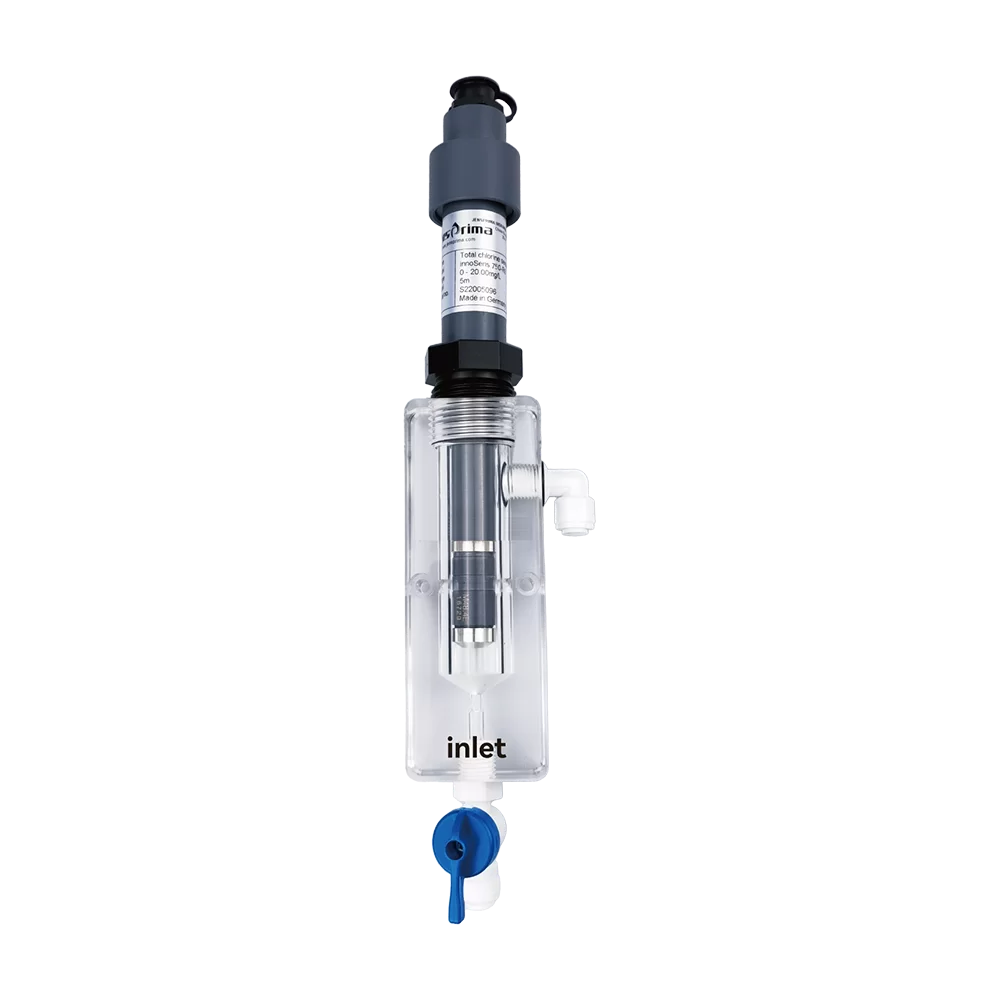
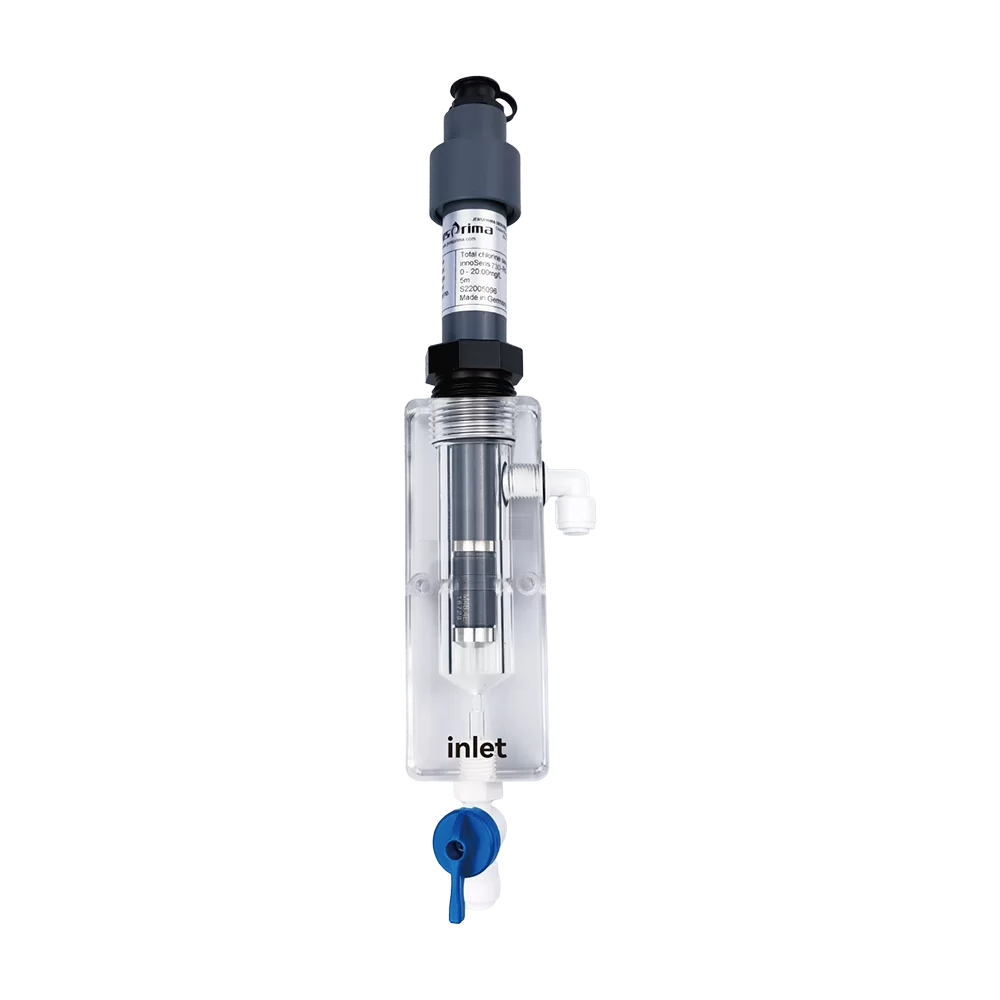
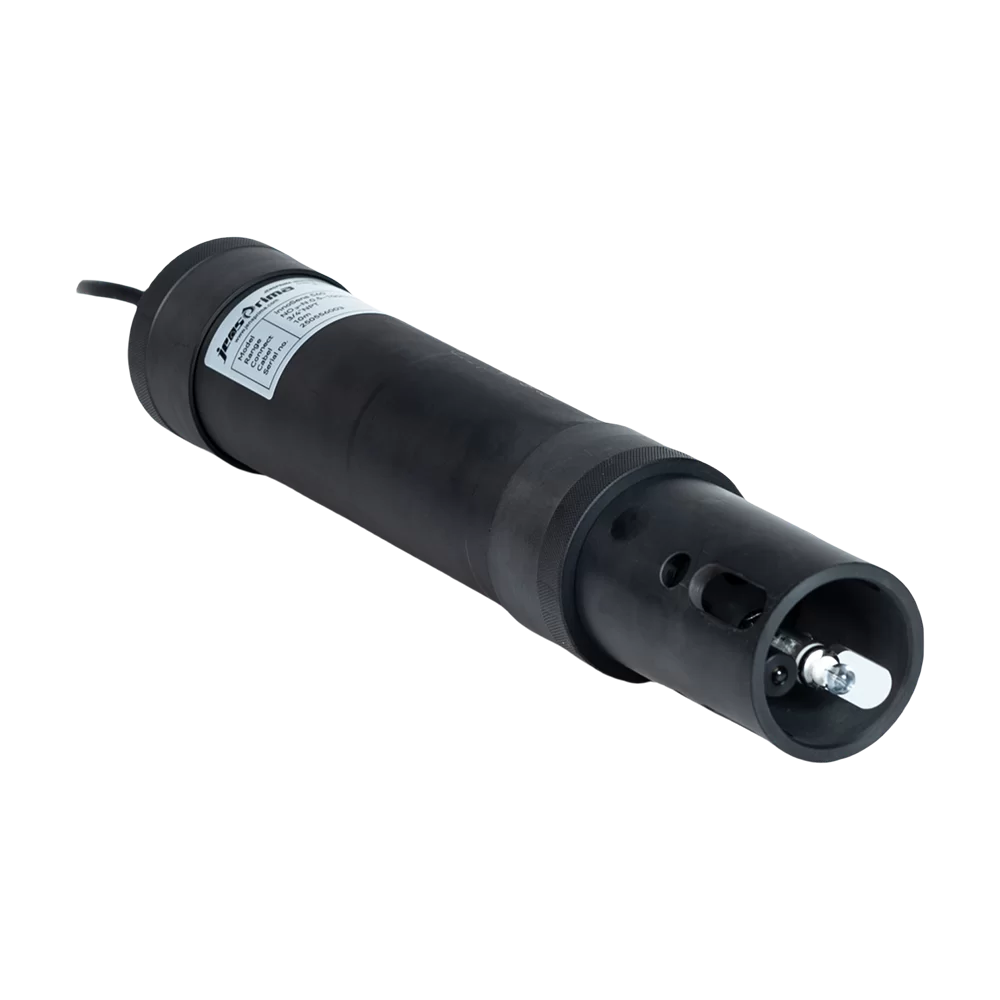
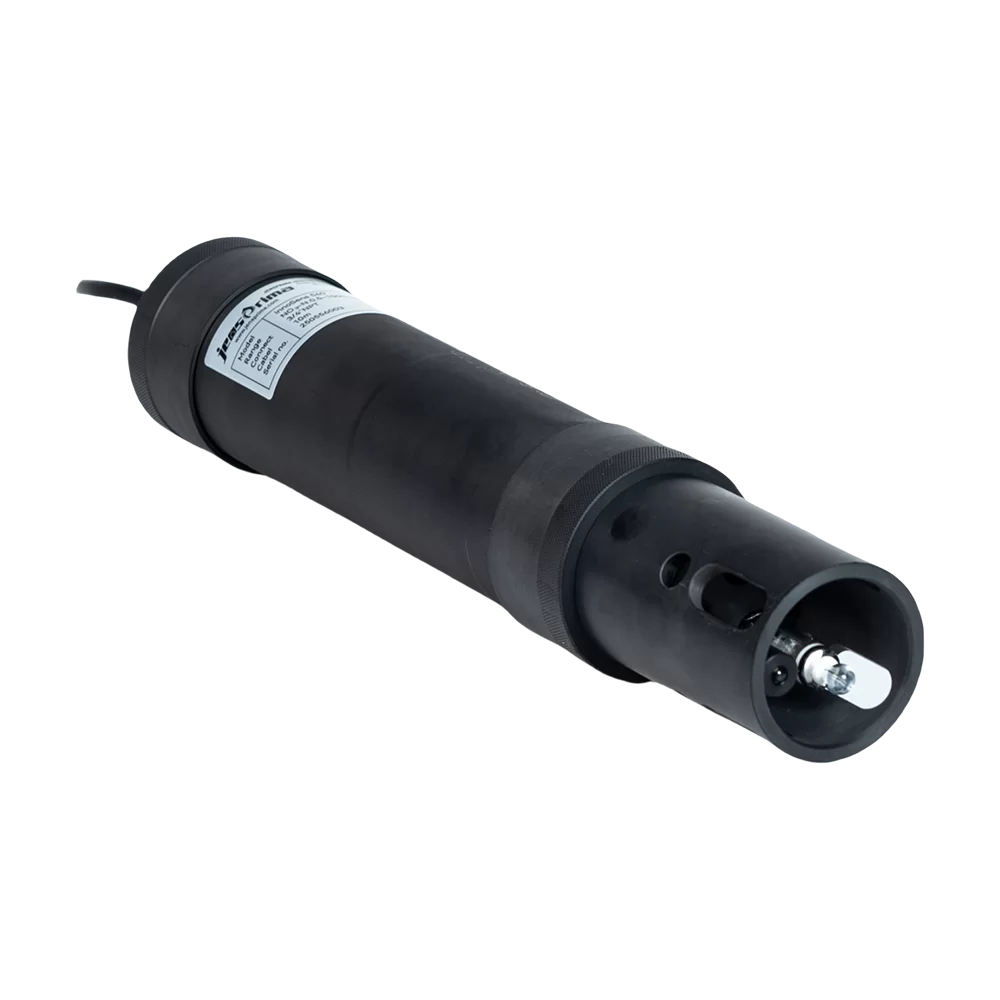
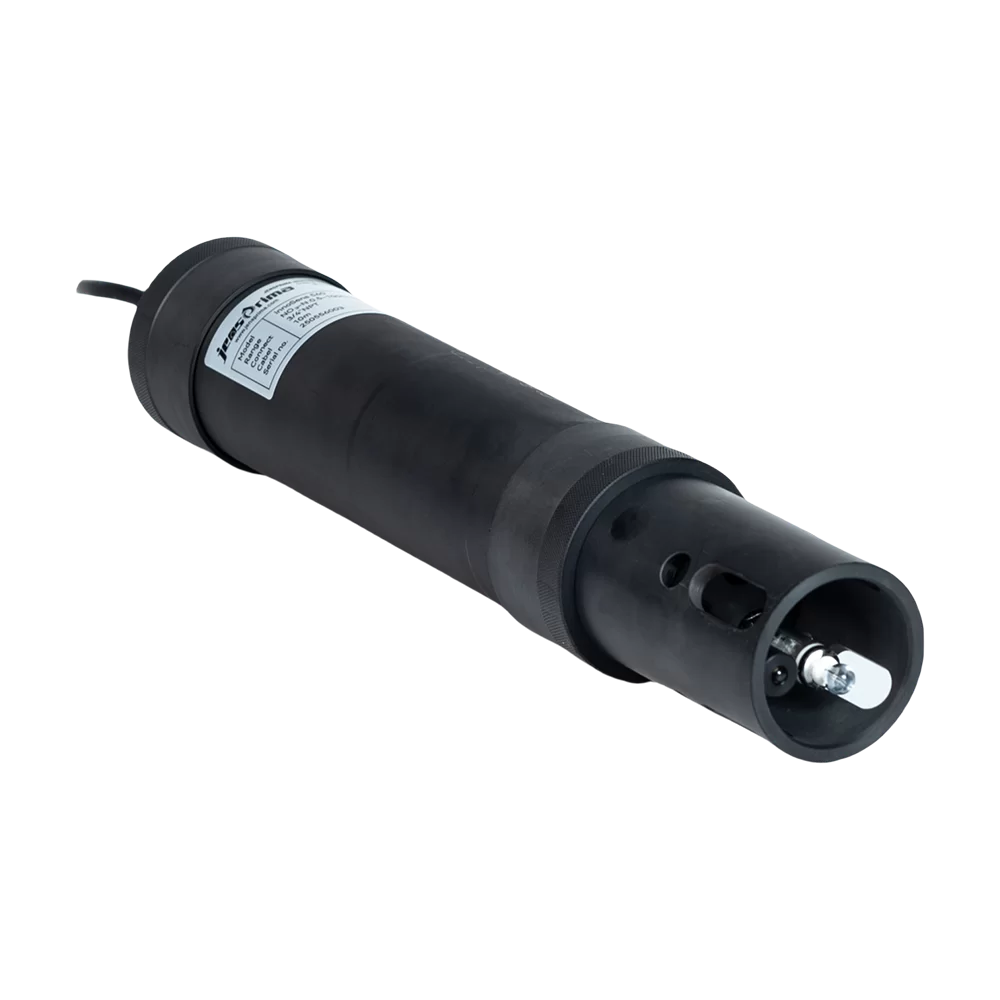
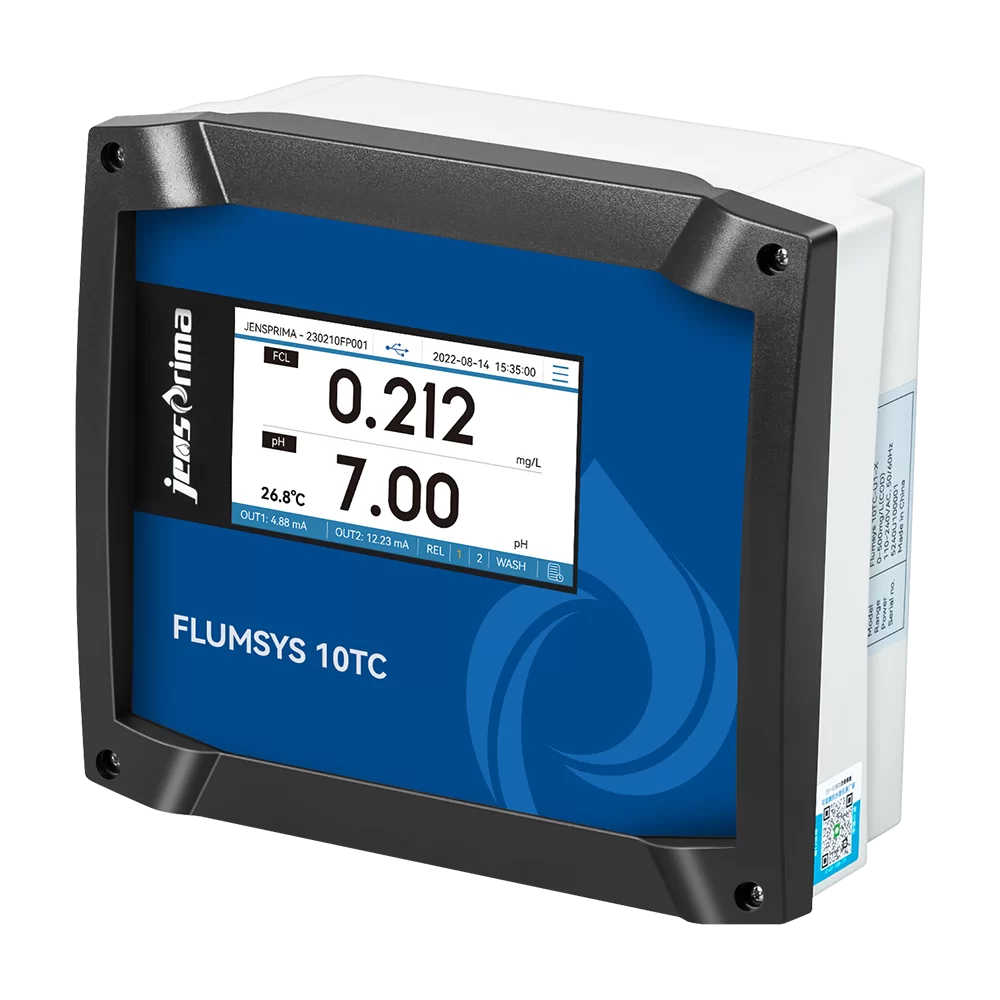
Jensprima offers a range of high-quality total hardness analyzers to meet diverse needs. Their team of experts can assist you in selecting the ideal solution for your specific requirements.
Jensprima Total Hardness Analyzers: Product Specifications
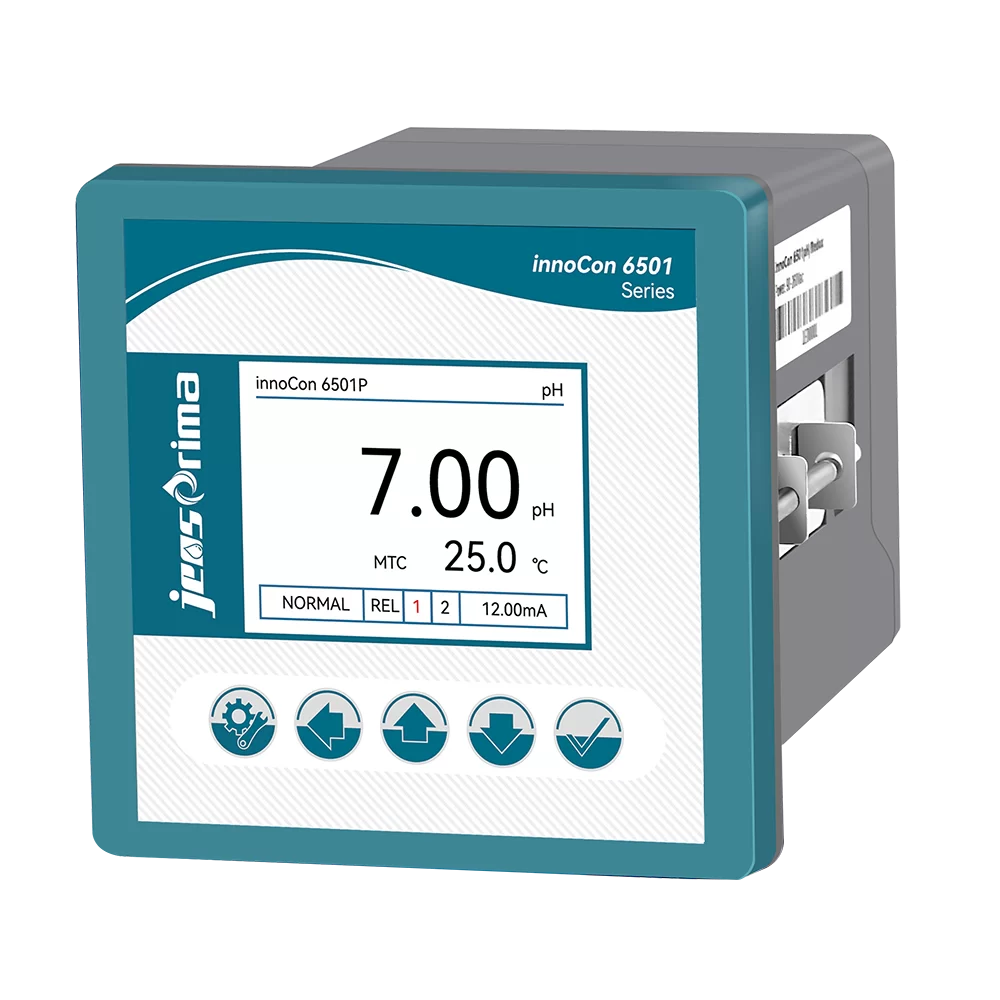
Jensprima offers a line of total hardness analyzers known for their reliability and accuracy. Here’s a brief overview of one of their popular models:
| Specification |
Detail |
| Model |
JP-TH100 |
| Measurement Range |
0-1000 mg/L as CaCO3 |
| Accuracy |
±2% Full Scale |
| Resolution |
0.1 mg/L |
| Operating Temperature |
0-50°C |
Conclusion: Investing in Accurate Water Analysis
Investing in a reliable total hardness analyzer is crucial for maintaining water quality and preventing costly issues. Jensprima provides a range of innovative and dependable solutions to meet your specific needs. Don’t compromise on water quality – choose Jensprima for accurate and efficient water analysis.
Frequently Asked Questions (FAQs)
What is the difference between temporary and permanent hardness?
Temporary hardness, also known as carbonate hardness, is caused by calcium and magnesium bicarbonates. This type of hardness can be removed by boiling the water, which precipitates the bicarbonates as carbonates. Permanent hardness, on the other hand, is caused by calcium and magnesium sulfates, chlorides, and nitrates, and cannot be removed by boiling. Total hardness analyzers measure the combined concentration of all calcium and magnesium ions, regardless of their source. Understanding the distinction is essential for selecting the appropriate water treatment methods.
How often should I calibrate my total hardness analyzer?
The frequency of calibration depends on the analyzer’s usage and the manufacturer’s recommendations. Generally, it's advisable to calibrate the analyzer at least once a month, or more frequently if the instrument is used heavily or exposed to harsh conditions. Regular calibration ensures the accuracy and reliability of your measurements. Always use certified standard solutions for calibration. Jensprima provides calibration services and certified standards.
What are the consequences of high water hardness?
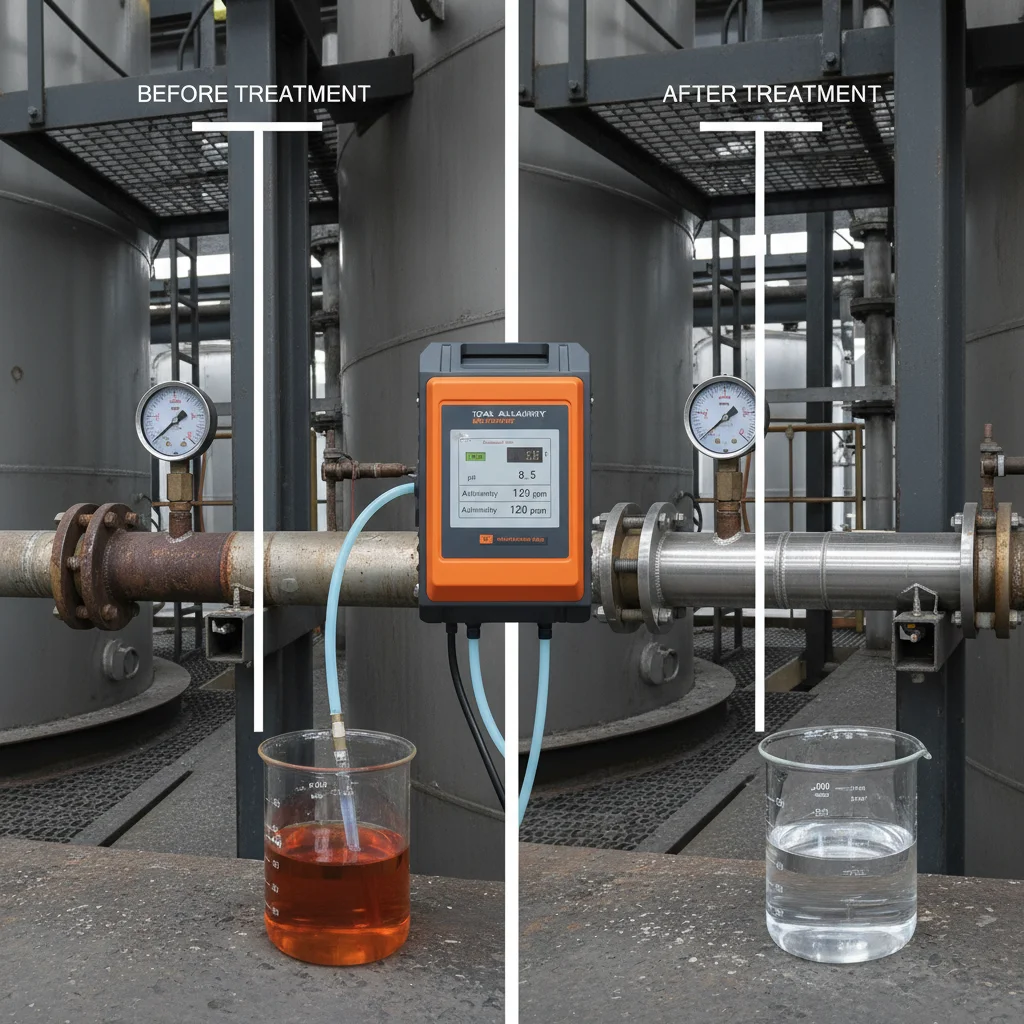
High water hardness can lead to several issues, including scale buildup in pipes and appliances, reduced efficiency of water heaters, and spotting on dishes and glassware. In industrial applications, it can cause corrosion, reduced heat transfer, and increased maintenance costs. Regular monitoring with a total hardness analyzer allows for proactive water treatment to mitigate these problems.
What units are used to measure total hardness?
Total hardness is commonly expressed in milligrams per liter (mg/L) as calcium carbonate (CaCO3), or in parts per million (ppm) as CaCO3. Other units include grains per gallon (gpg) and degrees of hardness (dH). Most total hardness analyzers allow you to select your preferred unit of measurement.


 Download
 Video Center
 Technical Services
 FAQS
FAQS Service Network
 Privacy Policy
 Contact Us




 LEARN MORE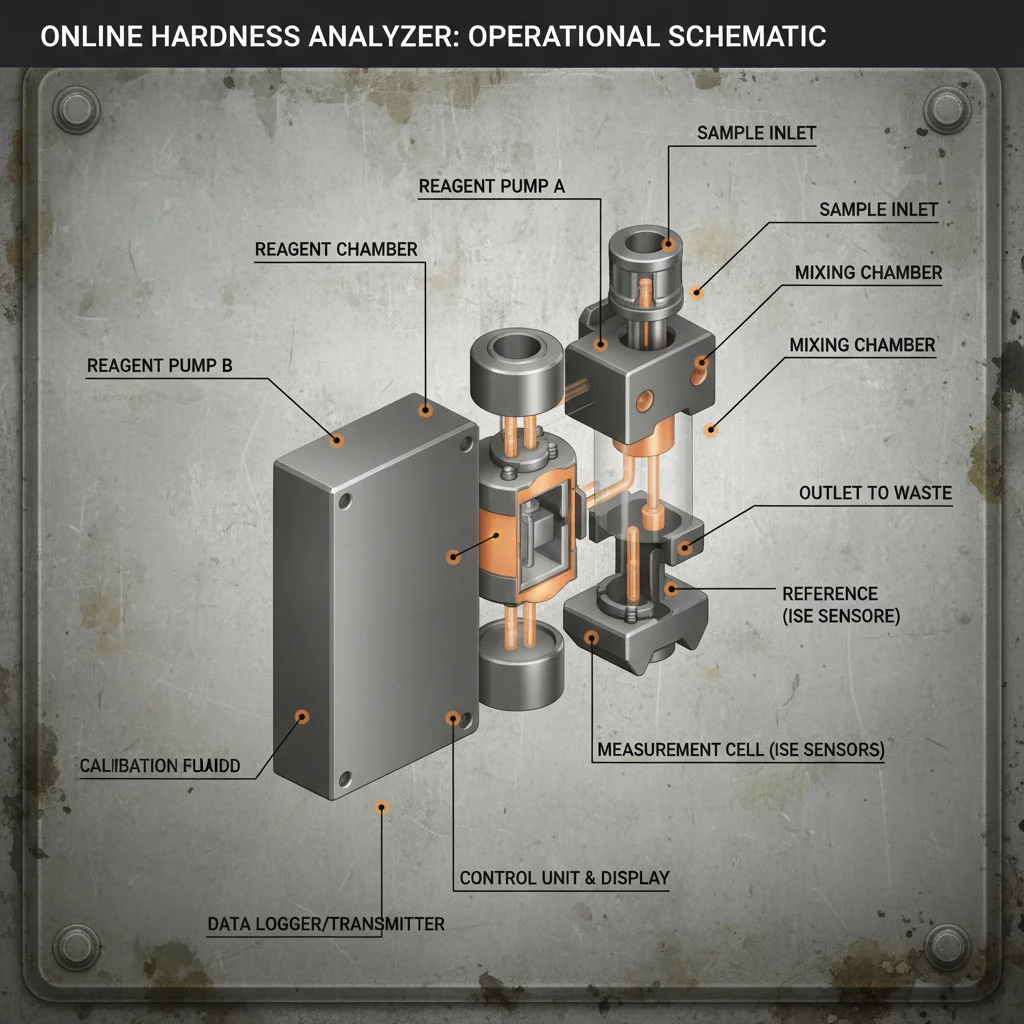


![[Hardness] Water Hardness Unit Conversion Table](https://images.cnmqh.com/images/a10056/1-20251023015852.webp "[Hardness] Water Hardness Unit Conversion Table")